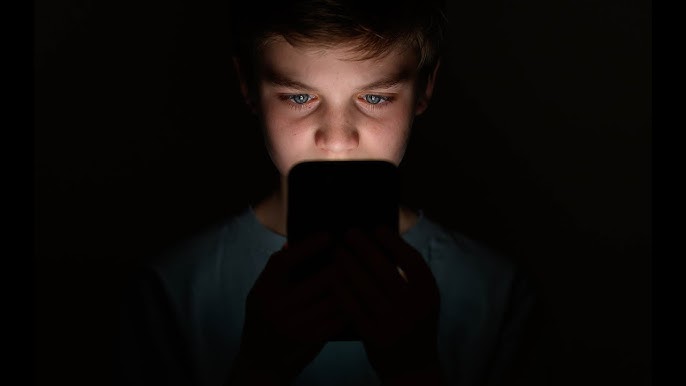

The association between high social media usage and increased depressive symptoms is complex, but researchers have identified several contributing factors, as outlined in the article:
1. Increased Social Isolation and Loneliness
-
Replaced In-Person Interaction: Unlike previous generations, young people today often substitute in-person socializing with digital connections. These online interactions are frequently less emotionally rewarding.
-
Fear of Missing Out (FOMO): Viewing curated highlights of peers’ lives can lead to feelings of being left out, social exclusion, and the perception that others are having more fun or are more successful.
2. Displacement of Healthy Activities
-
Reduced Physical Activity: Time spent on social media is time not spent being physically active. Exercise releases endorphins, which are natural mood lifters.
-
Loss of Real-World Accomplishment: Activities like sports, hobbies, and spending time outdoors provide a sense of achievement and build confidence, which are protective against depression. Social media use can crowd out these beneficial pursuits.
3. Sleep Deprivation
-
Time Displacement and Stress: It’s easy to lose track of time on social media, leading to later bedtimes. The content itself can also be stressful or emotionally activating, making it difficult to fall asleep.
-
Blue Light Interference: The blue light emitted from screens suppresses the production of melatonin, the hormone that regulates sleep-wake cycles. Using social media before bed can directly interfere with the ability to fall asleep and achieve restful sleep, a known contributor to depression.
 advertisment




 advertisment