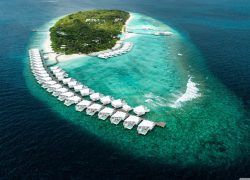

Aiming to tap into the rapidly growing global Muslim travel market, the Maldivian government has announced a strategic initiative to position the country as a leading destination for Halal tourism. The move aligns with the government’s vision to broaden its tourism portfolio and diversify its visitor base while reinforcing its identity as a 100 percent Muslim nation.
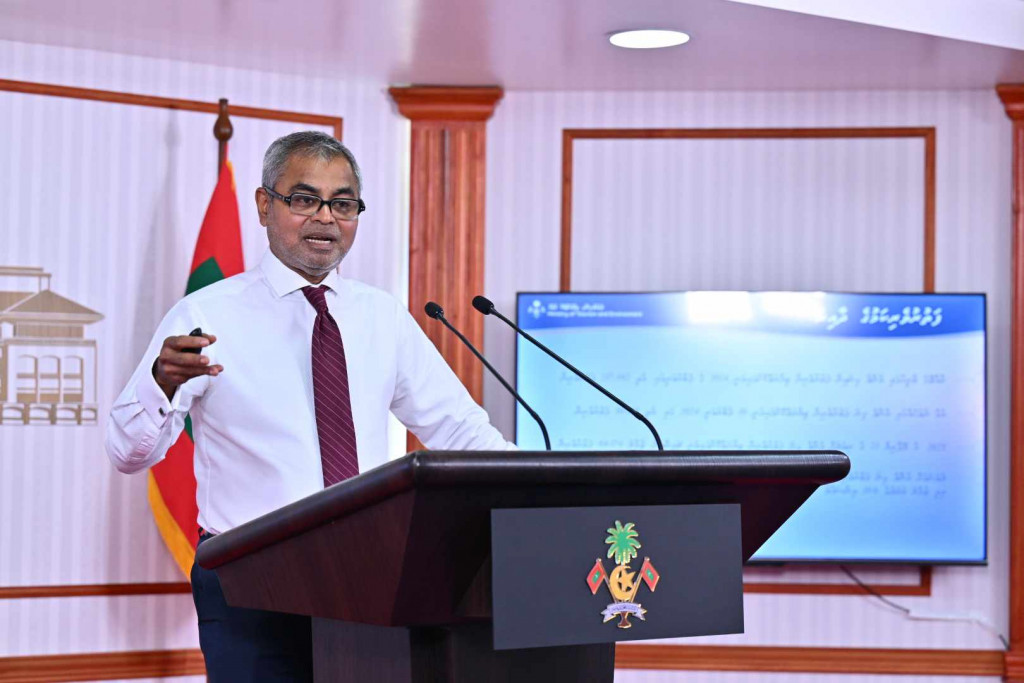
Tourism and Environment Minister Thoriq Ibrahim, speaking on the ‘Raajje Miadhu’ programme on PSM News, highlighted the immense potential of the Halal tourism sector. According to the Minister, the global Halal travel market generated approximately USD 274 billion in revenue in 2023, and this figure is expected to increase in the coming years. Recognizing this trend, the Maldives is now taking concrete steps to enter and compete in this lucrative market segment.
Minister Thoriq underscored the Maldives’ past success in diversifying its tourism industry and entering new market segments. “We have demonstrated that everything we do in the tourism sector is delivered at the highest quality. The government is fully committed to creating an enabling environment for tourism investors, and we will elevate the Halal tourism product to an excellent position,” he stated.
To realize this vision, the government has earmarked five regions, Haa Alifu, Haa Dhaalu, Shaviyani, Thaa, and Laamu Atolls, for the development of dedicated Halal tourism projects. These areas have been selected for their potential to support tailored tourism offerings that align with Islamic values while maintaining the Maldives’ reputation for luxury and exclusivity.
In support of this initiative, the government is introducing a series of incentives to attract both local and international investors. These include a 20% reduction in lease acquisition costs for designated islands and lagoons, along with flexible payment terms. Specifically, investors can defer lease payments to the first quarter of the fifth and sixth years of the lease term. Furthermore, land rent will be fully waived during the grace period for projects that are completed, opened, and operational before the end of that period, an added advantage designed to encourage timely project execution.
Currently, 31 tourism development projects across the five designated atolls have been opened for open and closed bidding. The Ministry of Tourism and Environment has announced that one project from each atoll will be identified and structured as a Halal tourism model. Interested bidders have until 1 September to submit their proposals, signaling a critical step toward shaping a new tourism offering that respects Islamic principles and appeals to a wider audience.
Halal tourism focuses on accommodating the preferences and religious practices of Muslim travelers, such as Halal-certified food, prayer facilities, alcohol-free environments, and family-friendly amenities, while also welcoming non-Muslim guests with inclusive, high-quality hospitality. The government aims to integrate these standards during both the resort development and operational phases, ensuring consistency in service delivery.
As one of the world’s most iconic travel destinations, the Maldives is well-positioned to become a pioneer in high-end Halal tourism. By blending authentic Islamic hospitality with the Maldives’ globally admired natural beauty and world-class tourism infrastructure, this initiative promises to open new avenues for economic growth and cultural exchange. The government’s proactive strategy, built on a foundation of experience, innovation, and inclusivity, places the Maldives on a path to become a distinguished choice for Muslim travelers worldwide.
 advertisment



 advertisment