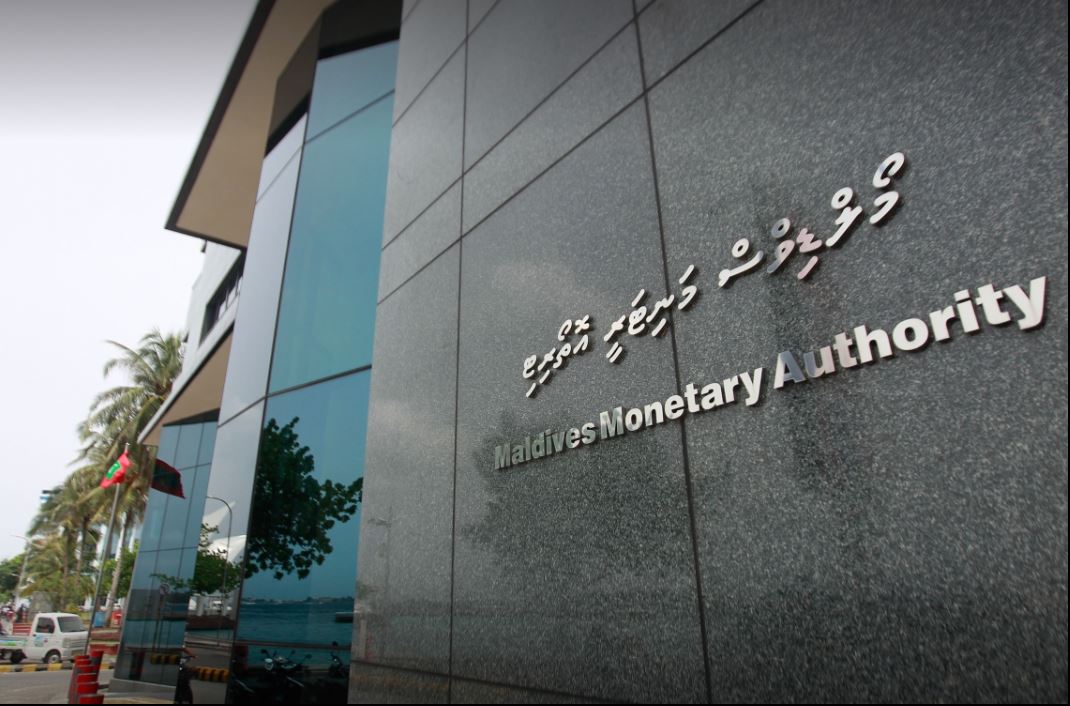

The Maldives Monetary Authority (MMA) has introduced strengthened regulations for foreign currency exchange businesses under the Foreign Currency Act, increasing financial safeguards, tightening operational requirements and expanding regulatory oversight across the sector.
Under the revised framework, companies holding a five-year foreign exchange licence are required to maintain a security deposit of USD 200,000 with the central bank. An additional security deposit of USD 100,000 will be required for each branch operated by the licensed business. The new fee structure also sets the licence application fee at MVR 40,000, the renewal fee at MVR 20,000 and the annual licence fee at MVR 48,000.
The regulations place additional conditions on Category-A licences, which allow businesses to provide foreign exchange services directly to the public. Such licences will now be available only to companies whose ultimate beneficial owners are Maldivian citizens. Corporate groups will generally be permitted to hold only one foreign exchange licence, while tourism resorts are exempt from this restriction and may continue providing foreign currency sales services directly to their guests.
The updated rules also introduce a cash transaction ceiling of MVR 50,000. Transactions above this amount must be processed through the primary bank account registered under the licensed business. Any surplus foreign currency remaining with an operator at the end of a business day must also be deposited into a bank account on the following official working day, further strengthening transparency and accountability in foreign exchange transactions.
Licensed operators will be required to meet enhanced operational standards covering both physical premises and transaction systems. Businesses must operate from dedicated office locations with customer service counters designed to ensure safety and confidentiality, while prevailing exchange rates must be clearly displayed through digital boards. Official receipts must be issued for every transaction, transaction records must be retained for at least five years, and operators must maintain systems capable of monitoring transactions in real time.
Foreign exchange businesses will also be required to submit audited annual financial statements to the MMA, supporting closer regulatory supervision and improving financial reporting standards within the industry.
Existing licence holders will be provided with a transitional period to comply with the revised requirements. Pending Tier 1 licence applications may continue under the new framework without additional charges. The MMA has meanwhile discontinued the Tier 2 licence category, with pending applications under that category to be cancelled and fees already paid to be refunded.
The regulations also strengthen the MMA’s enforcement powers. Violations may result in fines ranging from MVR 10,000 to MVR 1 million, in addition to the possible suspension or revocation of operating licences. Where a fine remains unpaid for more than 90 days, the MMA may request the suspension of public agency services available to the business and may refer the matter for criminal investigation.
The strengthened framework reflects continued efforts by the Maldivian authorities to improve transparency, formalise foreign currency transactions and strengthen confidence in the country’s financial system. The measures are expected to encourage greater compliance among licensed operators while providing a more structured and accountable foreign exchange environment for businesses, residents and visitors.
 advertisment





 advertisment