
The Maldives is strengthening its focus on green finance as the country works to address the growing economic impact of climate change, rising energy costs and the need for more resilient infrastructure across its islands. For the island nation, climate change is increasingly linked not only to environmental concerns, but also to electricity prices, business sustainability, employment and the long-term security of communities.
The scale of the challenge is considerable. World Bank projections indicate that sea levels around the Maldives could rise by between 0.5 and 0.9 metres by 2100, while measures required to protect islands from rising seas and flooding are estimated to cost between USD 2 billion and USD 4 billion. At the same time, energy imports continue to place significant pressure on the economy, with the Maldives importing approximately USD 710 million worth of petroleum products in 2025. Maldives Monetary Authority Governor Ahmed Munawar has also indicated that reducing emissions could require more than USD 800 million annually, highlighting the importance of mobilising financing beyond public resources.
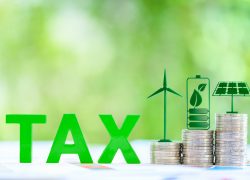
The Government has placed renewable energy and sustainable investment among the country’s key development priorities, with the Maldives targeting renewable sources to account for 33 percent of electricity generation by 2028. Expanding solar power, battery storage and other energy-efficient technologies could reduce reliance on imported fuel, lower electricity costs and provide greater protection against fluctuations in global energy prices.
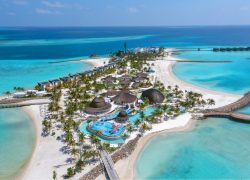
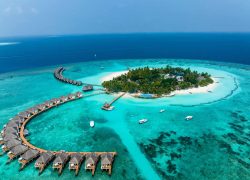
The tourism industry is expected to play an important role in this transition. Tourism contributes more than 28 percent directly to the Maldivian economy, making resorts and tourism businesses important partners in the country’s sustainability agenda. Greater access to green finance could support resorts, hotels and guesthouses in expanding solar energy systems, improving energy-efficient cooling, strengthening water management systems and adopting technologies that reduce operating costs while improving long-term environmental and financial resilience.
Access to financing, however, remains a challenge for many businesses, particularly outside Greater Malé. The dispersed geography of the Maldives increases the cost of transporting equipment, materials and skilled workers to remote islands. Financial institutions may also face challenges in evaluating smaller green investments, while many small and medium-sized businesses have limited assets available as collateral. Nearly 59 percent of Maldivians live outside Greater Malé, while the country’s small and medium-sized businesses were estimated to face a financing gap of approximately MVR 11.1 billion in 2022.
Recent renewable energy projects demonstrate the potential of innovative financing mechanisms. Under the World Bank-supported ASPIRE programme, private companies were encouraged to invest in solar power generation, supported by USD 16 million in guarantees designed to reduce risks associated with power purchase agreements. Increased competition helped reduce the price of solar electricity by 53 percent, from USD 0.21 to USD 0.0988 per unit, while more than 17.5 MW of private solar capacity is operational or under development.
The Maldives is also strengthening its regulatory framework to improve investor confidence and establish clearer standards for sustainable investment. The Maldives Monetary Authority is working towards a national green finance taxonomy to define activities eligible for green financing, while its National Sustainable Finance Roadmap, launched in December 2025, outlines measures to strengthen sustainable lending and investment. The Capital Market Development Authority has also continued sustainability-related initiatives, building on its reporting framework introduced for listed companies.
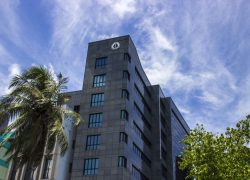
These priorities are being discussed at the Maldives Finance Forum 2026, held on 14 November at dusitD2 Feydhoo. Organised by the Maldives Pension Office in collaboration with UNDP Maldives, the 13th edition of the forum is being held under the theme “Green Finance: Unlocking Sustainable Investment and Financial Security in the Maldives.”
The forum brings together regulators, banks, investors, development partners and international experts to examine ways to expand access to green finance, strengthen financial frameworks and encourage greater private-sector investment. As the Government continues advancing renewable energy, climate resilience and sustainable economic development, stronger cooperation between the public sector, financial institutions, businesses and international partners is expected to help channel investment towards projects that strengthen island communities, support businesses and protect the Maldives’ long-term economic future.
 advertisment



 advertisment