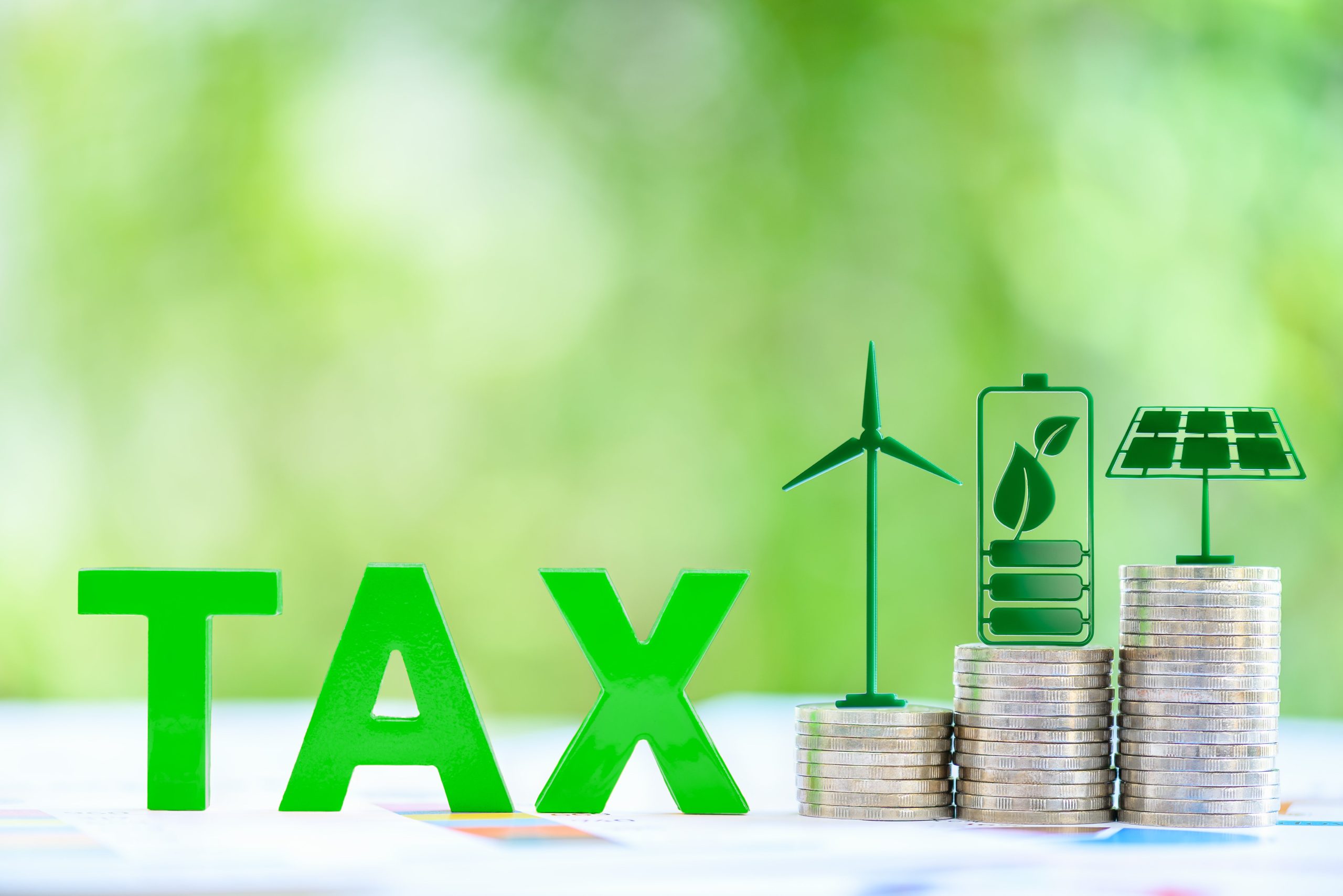

The Maldives has generated approximately USD 123.2 million in Green Tax revenue during the first ten months of 2026, reflecting the continued strength of the country’s tourism industry and its growing contribution towards environmental protection and sustainable infrastructure development.
According to the latest statistics released by the Maldives Inland Revenue Authority (MIRA), Green Tax collections increased by 4 percent compared with the corresponding period of 2025, when revenue stood at USD 116.7 million. The year-on-year growth highlights the importance of the tourism sector as a key source of public revenue while supporting the government’s broader efforts to strengthen essential infrastructure and environmental resilience across the island nation.
In October 2026, Green Tax collections reached USD 10.1 million, compared with USD 11.1 million recorded during the same month last year. Despite the slight decline during the month, cumulative collections for the year remained above the previous year’s level.
Green Tax is levied on tourists staying at registered tourism establishments across the Maldives. Guests staying at resorts, safari vessels and hotels are charged USD 12 per person per night, while visitors staying at local guesthouses are charged USD 6 per person per night. Children below two years of age are exempt from the levy.
The Maldives currently has a broad and expanding tourism accommodation network comprising 185 resorts, 17 hotels, 922 guesthouses and 164 safari vessels. The extensive range of accommodation options continues to strengthen the country’s position as one of the world’s leading island destinations while supporting employment, local businesses, foreign exchange earnings and government revenue.
Revenue generated through the Green Tax is directed towards environmental protection and infrastructure projects across the country. The government utilises the funds to support water and sewerage systems, coastal protection projects, the Clean Environment Project and the expansion of sustainable water supply networks, helping improve public services while strengthening the resilience of island communities.
With tourism remaining the backbone of the Maldivian economy, the continued growth in Green Tax revenue demonstrates how the sector is contributing not only to economic activity but also to long-term environmental sustainability and national development. The government’s continued investment in environmentally focused infrastructure is expected to further support the Maldives’ efforts to balance tourism growth with the protection of its fragile natural environment.
 advertisment



 advertisment