
Maldives Monetary Authority Governor Ahmed Munawar has said the Maldives should only consider moving towards a market-determined foreign exchange rate once the country’s usable foreign exchange reserves reach at least USD 1 billion, stressing that stronger reserves and greater control over foreign currency flows are essential before undertaking such a major policy shift.
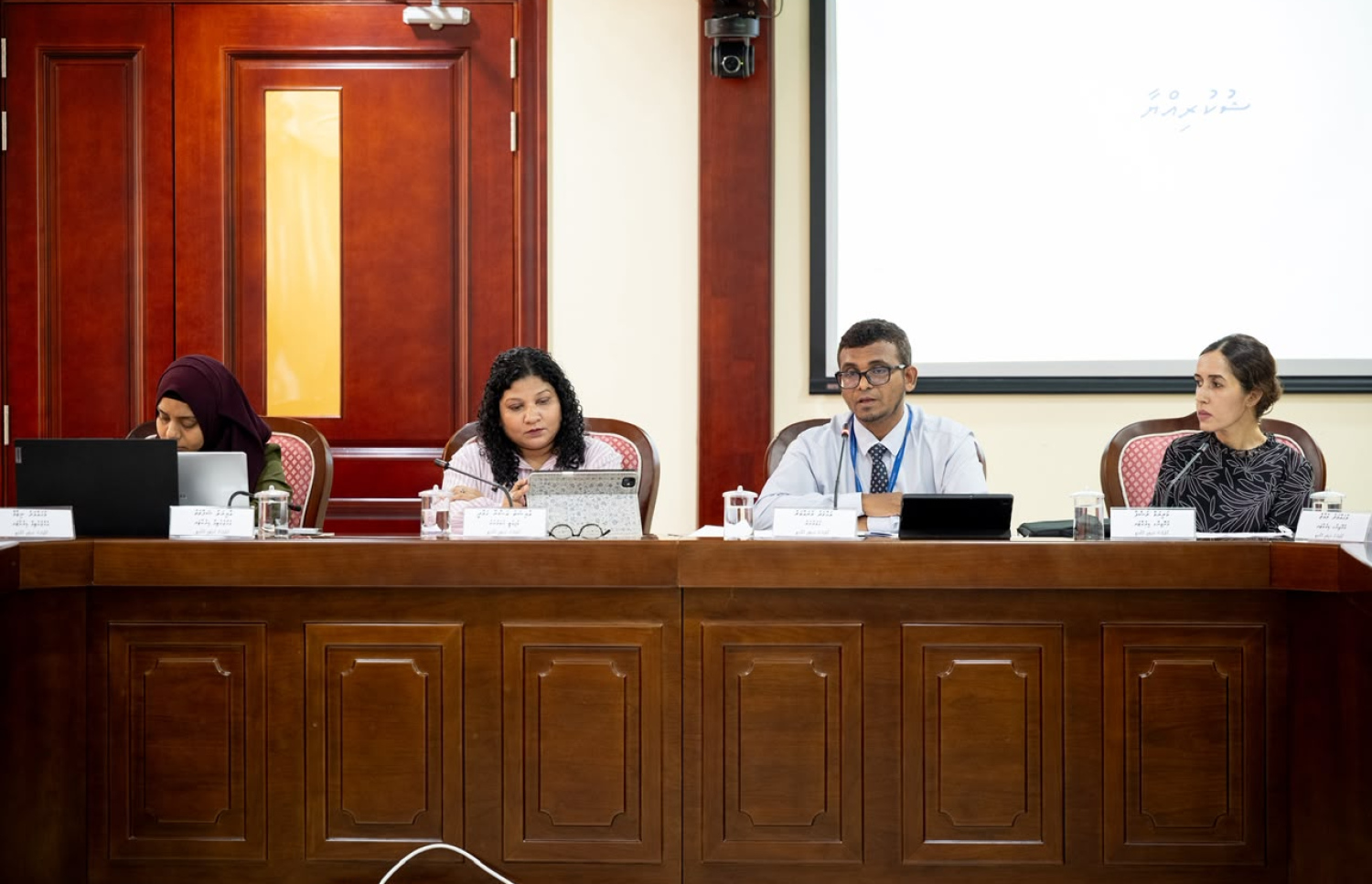
Speaking before the Budget Review Committee of the People’s Majlis during discussions on the Government’s proposed 2027 budget, Munawar said the present structure of the foreign exchange market does not yet provide the conditions required for a smooth transition to a floating exchange rate system. He cautioned that allowing the exchange rate to fluctuate freely under current circumstances could create significant pressure on households, businesses and the wider economy.
Responding to a question from South Hulhumalé MP Dr. Ahmed Shamheed, the Governor explained that a substantial share of foreign currency activity remains outside the direct influence of the central bank. He said the MMA therefore does not currently have sufficient control over the broader market to ensure that a transition to a market-based exchange rate would take place in an orderly and stable manner.
Munawar said he would not recommend such a transition until usable reserves reach USD 1 billion, noting that an early move towards a floating regime could result in sharp and unpredictable movements in the value of the US dollar against the Maldivian rufiyaa. Maintaining exchange rate stability while strengthening reserves, he said, remains important for protecting purchasing power, business confidence and broader economic stability.
The Governor, who previously served as Minister of Finance, also revealed that the MMA is preparing a broader roadmap to address longstanding challenges surrounding access to US dollars in the domestic market. The strategy is expected to examine structural reforms aimed at improving foreign exchange availability, increasing transparency and strengthening the effectiveness of the financial system.
Among the measures being considered is a possible revision to existing foreign exchange and taxation arrangements, including allowing certain tourism-related tax obligations to be settled in Maldivian rufiyaa rather than foreign currency. Munawar said such options should be examined carefully over the next two to three years as part of wider consultations on improving the country’s foreign currency framework.
Tourism, the Maldives’ largest foreign exchange-generating industry, remains central to these discussions. Munawar said the sector generates approximately USD 5.9 billion annually, while only around USD 3.8 billion is channelled through the domestic banking system. This leaves an estimated USD 2.1 billion in annual tourism-related foreign currency receipts outside the local banking network.
Given the scale and international reach of the Maldives’ resort industry, the Governor stressed the importance of ensuring that a greater share of foreign currency earnings generated by resorts and other tourism businesses is reflected within the domestic banking system. A stronger flow of tourism receipts through local banks could improve dollar liquidity, support businesses requiring foreign currency for imports and external payments, and contribute to building national reserves.
Munawar also called for stronger auditing, financial oversight and monitoring across the tourism industry, particularly within the resort sector, noting that efforts to address foreign exchange challenges should not focus predominantly on smaller businesses and conventional tax inspections. He said greater attention should also be directed towards major foreign currency-generating industries where large volumes of international transactions take place.
The MMA is consequently strengthening its monitoring of foreign exchange transactions and financial flows, with greater emphasis on ensuring that foreign currency earnings generated in the Maldives are appropriately captured within the domestic financial system.
The Governor’s remarks reflect a cautious approach towards exchange rate liberalisation while supporting the Government’s wider efforts to reinforce economic resilience, improve reserve accumulation and strengthen financial sector oversight. By prioritising usable reserve growth, greater transparency and improved management of tourism-related foreign exchange flows, the authorities are seeking to establish a stronger foundation for long-term currency stability and sustainable economic growth.
 advertisment





 advertisment