
The Maldives Government is moving to accelerate the development of 161 islands and lagoon areas that have remained unfinished after being leased for tourism projects, introducing a new regulatory framework aimed at bringing long-delayed resort developments into operation and strengthening the productive use of valuable tourism assets.
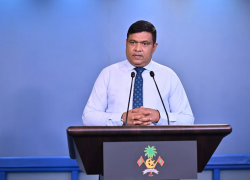
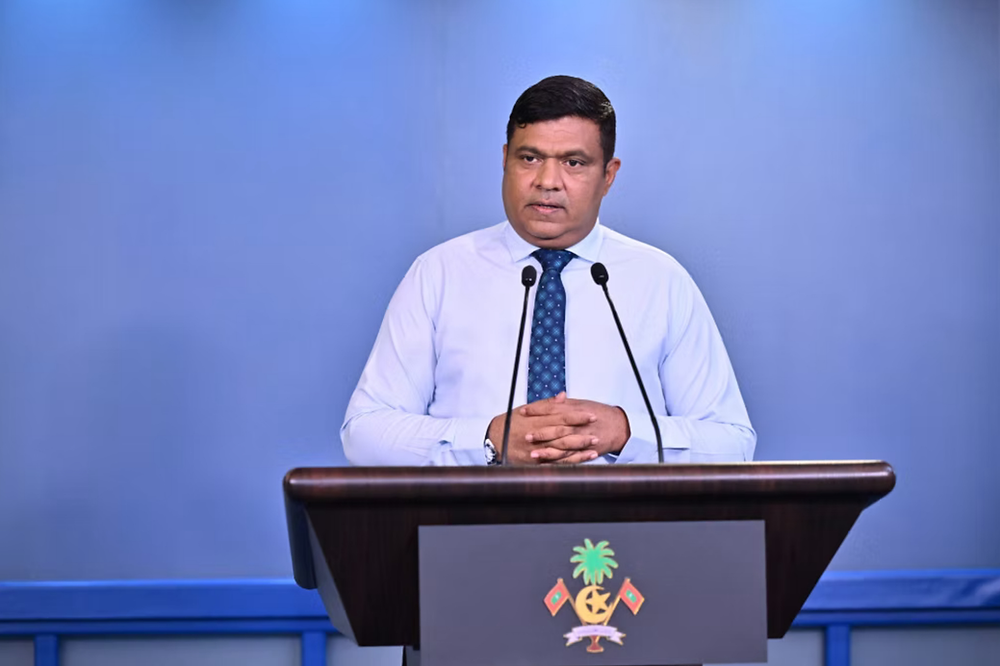
Minister of Tourism and Civil Aviation Mohamed Ameen disclosed the scale of the unfinished developments during the recent “Ahaa” public forum organised jointly by the President’s Office and Public Service Media. According to the Minister, some of the properties have remained undeveloped for as long as 25 years, despite having originally been leased under agreements requiring development and commencement of operations within specified periods.
The large number of stalled projects represents considerable untapped potential for one of the world’s leading island tourism destinations. New resort developments can expand the Maldives’ accommodation capacity, attract additional international investment, create employment opportunities, stimulate demand for domestic transport and local suppliers, and generate further economic activity across the atolls.
Minister Ameen said repeated extensions of construction periods and deferments of lease rent over the years have contributed to significant outstanding obligations to the State. The accumulated arrears associated with delayed tourism developments are estimated at between USD 500 million and USD 600 million, underlining the financial importance of resolving projects that have remained inactive for extended periods.
To address the issue through a clearer regulatory structure, the Ministry of Tourism and Civil Aviation introduced the “Regulation on Granting Extensions for the Development of Unfinished Tourism Projects and Properties Closed for Redevelopment, and the Deferral of Rent and Fines” on 10 September 2026. The framework places delayed developments into four categories and establishes specific requirements for project continuation, compliance and, where applicable, termination of agreements.
Minister Ameen said implementation of the new framework would allow the Government to deal more effectively with developments that have remained unresolved for many years while safeguarding public resources and the interests connected to tourism investments. The regulation is also expected to provide greater clarity to developers by setting defined procedures for addressing unfinished properties.
The initiative comes as the Maldives continues to strengthen and diversify its globally recognised resort sector. Official Tourism Ministry records show an extensive pipeline of resort developments across the country, covering islands and lagoon areas from the northern atolls to the southernmost regions. Bringing commercially viable stalled projects into operation could further expand tourism beyond established resort clusters and support broader regional economic opportunities.
The Maldives currently has around 180 operational resorts with a combined capacity exceeding 45,000 beds, forming the largest segment of the country’s tourism accommodation industry. With the Government working to resolve long-pending developments while continuing to facilitate new tourism investments, the activation of undeveloped resort properties has the potential to unlock additional accommodation capacity, investment and employment while strengthening the long-term contribution of tourism to the Maldivian economy.
 advertisment



 advertisment