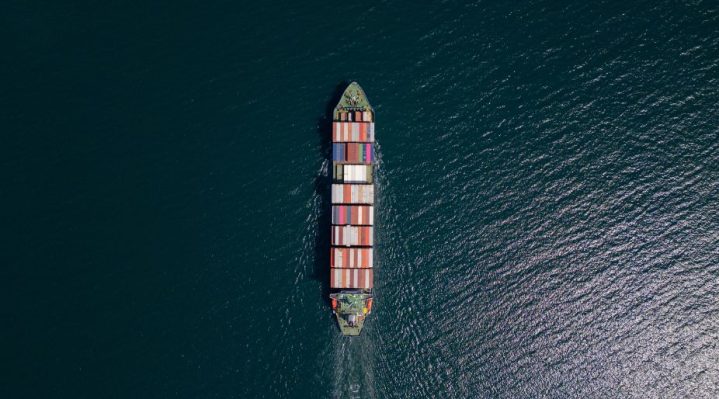

The Maldives is advancing efforts to strengthen its participation in regional and international maritime security cooperation by seeking membership in the Saudi-led Multinational Maritime Defense Alliance, a coalition established to support the security of strategically important international shipping routes across the Red Sea, Gulf of Aden and Bab al-Mandab Strait.
President Dr Mohamed Muizzu has submitted the agreement establishing the Multinational Maritime Defense Alliance to the People’s Majlis for approval, initiating the legislative process required before the Maldives can formally become a member of the coalition. The proposal reflects the Government’s broader approach to strengthening international security partnerships while safeguarding the national and economic interests of the Maldives as a strategically located Indian Ocean nation.
The alliance was established on 30 July 2026 under the leadership of the Kingdom of Saudi Arabia, with its permanent headquarters and command structures based in the Kingdom. The 14 founding members are Saudi Arabia, Türkiye, Kuwait, Bahrain, Qatar, Jordan, Egypt, Pakistan, Djibouti, Somalia, Bangladesh, Yemen, Sudan and Comoros, bringing together countries from the Middle East, Africa and Asia with shared interests in maritime security and the protection of international trade routes.
Under its framework, the alliance is expected to promote intelligence and information sharing, coordinated operational planning, joint military exercises, institutional capacity development and broader cooperation in maritime security activities. The arrangement is structured as a defensive partnership, with individual member states retaining the authority to determine their participation in specific operations in accordance with their respective national laws, policies and operational capabilities.
For the Maldives, participation in the alliance could strengthen access to a wider network of maritime security cooperation while allowing the country to determine the nature and scale of its involvement according to national priorities. Membership would not automatically require the deployment of Maldivian personnel to conflict areas, with potential areas of cooperation expected to include intelligence exchange, maritime surveillance, professional training, technical development and institutional collaboration.
The proposed membership is particularly relevant to the Maldives because of the country’s geographical location and its strong dependence on international maritime trade. As an island nation consisting of widely dispersed islands across a substantial area of the Indian Ocean, the Maldives relies heavily on maritime transportation for the import of fuel, food, construction materials, machinery, consumer products and other essential goods. The country’s globally significant tourism industry also depends on reliable international supply chains for the uninterrupted operation and development of resorts, hotels, guesthouses and related businesses.
Maintaining stability along major international shipping routes is therefore closely connected to the Maldives’ economic security. Disruptions affecting the Red Sea and surrounding maritime corridors can result in commercial vessels being redirected around the Cape of Good Hope, substantially increasing sailing distances and transportation times. Longer routes can contribute to higher freight, insurance and logistical costs, with potential implications for import prices, business operating expenses and demand for foreign currency within import-dependent economies such as the Maldives.
Strengthened participation in international maritime security arrangements could consequently complement the Government’s efforts to protect economic resilience and maintain dependable access to global markets. Cooperation with partner countries could also support earlier access to maritime information and assessments relating to security developments affecting shipping routes that are important to Maldivian trade.
Membership could further provide opportunities for the Maldives National Defence Force to participate in professional exchanges, technical training and joint exercises with partner countries. Such cooperation could contribute to the continued development of national capabilities in maritime domain awareness, surveillance, information analysis and the protection of the Maldives’ extensive exclusive economic zone.
With one of the world’s most geographically dispersed territories relative to its land area, maritime security remains particularly important to the Maldives. Effective monitoring of surrounding waters contributes not only to national security, but also to the protection of fisheries resources, commercial shipping, tourism activities and other economic interests connected to the country’s marine environment.
The proposal also reflects the Muizzu administration’s expanding engagement with Saudi Arabia and other partners across the Middle East. Relations between the Maldives and Saudi Arabia have continued to develop across several areas of mutual interest, including infrastructure, development financing, religious affairs, institutional cooperation and other areas supporting national development.
Saudi Arabia has remained an important development partner of the Maldives, and the proposed participation in the maritime alliance would broaden bilateral and multilateral cooperation into an area closely associated with regional stability, international trade and maritime security. The wider membership of the coalition would also create opportunities for the Maldives to deepen engagement with countries across Asia, the Middle East and Africa through a common platform for security cooperation.
The Government’s decision to place the agreement before Parliament ensures that the proposed membership will proceed through the constitutional and legislative process. Lawmakers are expected to examine the scope of the agreement, the security commitments associated with membership and its operational implications for the Maldives before determining whether to grant approval.
If approved by the People’s Majlis, membership would further integrate the Maldives into international maritime security cooperation at a time when the protection of global shipping routes has become increasingly important to international commerce. For the Maldives, enhanced cooperation in this area is expected to support national security capabilities while contributing to the protection of the international supply routes upon which the country’s economy, tourism sector and everyday supply of essential goods significantly depend.
 advertisment



 advertisment