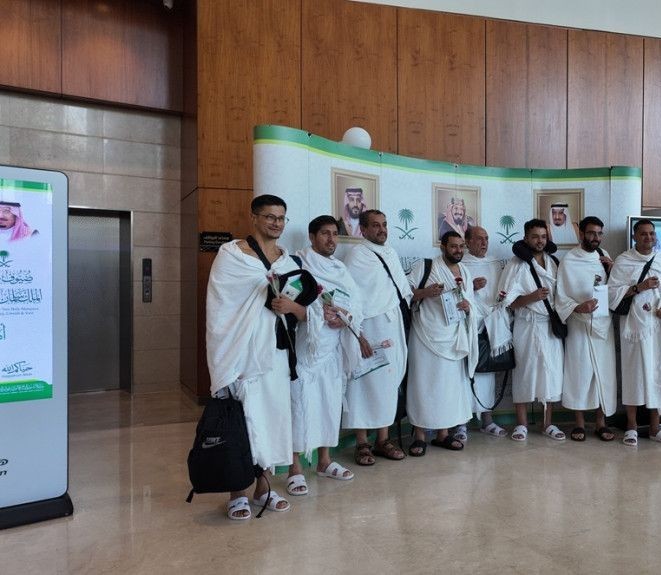

As the sacred season of Hajj approaches, Saudi Arabia is once again demonstrating its enduring dedication to serving Muslims from around the world through the Hajj Umrah Visitation Programme, a distinguished initiative personally inaugurated by King Salman bin Abdulaziz Al-Saud, the Custodian of the Two Holy Mosques. Operating under the direct supervision of the Kingdom’s Ministry of Islamic Affairs, Da’wah and Guidance, the programme continues to stand out as one of the most meaningful religious and humanitarian initiatives dedicated to supporting the spiritual aspirations of Muslims globally.
First launched in 1997 under the generous patronage of the King of Saudi Arabia, the programme has developed into a far-reaching spiritual opportunity that has enabled hundreds of thousands of Muslims to undertake their pilgrimage without financial burden. For the current Hajj season, the Saudi government has once again assumed full responsibility for the expenses of selected participants, covering travel, accommodation, daily needs and religious support. With pilgrims already arriving in Makkah, the programme has entered another important chapter, offering participants a deeply memorable experience centred on worship, reflection and ease of access to the holy sites.
From the moment the pilgrims arrive in the Kingdom, the care and organisation behind the programme are clearly evident. At Jeddah airport, participants are received with warmth and dignity through dedicated reception committees tasked with facilitating smooth entry and transit procedures. These arrangements reflect the Kingdom’s sustained emphasis on efficiency, hospitality and respect for the sanctity of the pilgrims’ journey. A specially appointed committee has also been entrusted with overseeing every stage of the visit, ensuring close coordination and attentive service from arrival in Saudi Arabia until each participant’s safe return home.
Accommodation has been arranged at the well-known Holiday Inn Hotel in Makkah, where the hospitality framework has been designed to provide comfort, convenience and a welcoming environment for pilgrims from diverse backgrounds. The hotel’s full-boarding arrangement includes breakfast, lunch and dinner served daily, enabling guests to focus fully on their spiritual obligations without concern for daily logistics. The overall hospitality experience has been structured to combine practical comfort with the serenity expected during such a sacred journey, creating an atmosphere that supports عبادah, rest and peace of mind throughout the stay.
Special attention has also been given to the varied needs of international guests. Administrative desks staffed by multilingual personnel have been established to assist pilgrims efficiently, while dedicated counters for SIM card issuance help ensure immediate communication access for participants arriving from different parts of the world. Comprehensive translation support is also available to assist with guidance, inquiries and coordination, further enhancing the experience for pilgrims who may be unfamiliar with the local language. These services reflect a thoughtful and inclusive approach that recognises the diversity of the Muslim world and the importance of making every participant feel supported and valued.
Religious enrichment remains at the heart of the programme. In addition to facilitating Umrah and Hajj rituals, the initiative offers regular prayers, sermons and religious sessions that help deepen the spiritual experience of those taking part. These activities are designed to ensure that pilgrims are not only accommodated physically, but are also spiritually nourished throughout their stay. By integrating worship, learning and reflection into the daily routine of participants, the programme strengthens its role as a comprehensive spiritual experience rather than simply a travel arrangement.
Recognising the demanding schedule associated with pilgrimage rituals, the Saudi authorities have also introduced continuous transportation services to support seamless access to Masjid al-Haram. Buses operate twenty-four hours a day, allowing pilgrims to travel to and from the Grand Mosque at any time required for prayers and rituals. This uninterrupted service significantly reduces logistical pressure on participants and enables them to devote themselves more fully to worship. The ease of movement provided through these arrangements highlights the Kingdom’s commitment to ensuring that pilgrims can perform their religious duties with comfort and dignity.
Health and wellbeing have also been prioritised as central components of the programme. Saudi authorities have deployed medical teams and ambulance services on a round-the-clock basis to ensure rapid support whenever needed. This robust medical readiness underscores the comprehensive nature of the Kingdom’s preparations and its commitment to safeguarding the welfare of guests throughout the pilgrimage period. Such measures are especially significant during Hajj season, when the physical demands of worship and the scale of the gathering require careful planning and constant support services.
Pilgrims participating in this year’s programme have expressed deep gratitude for the experience, praising the quality of arrangements and the hospitality extended by the Saudi leadership and government. Their reflections point to a journey marked by comfort, spiritual fulfilment and sincere care. One participant from Pakistan described the experience as the happiest and most spiritual journey of his life, noting that the thoughtful support and welcoming atmosphere removed many of the usual concerns associated with travel and allowed him to focus entirely on worship. Similar sentiments have been shared by others, who offered heartfelt appreciation to King Salman and the Saudi government for their generosity, organisation and attention to detail.
The programme also offers pilgrims an opportunity to broaden their understanding of Islamic heritage and Saudi Arabia’s longstanding service to Islam. Organised visits include tours to the factory where the Kiswa, the cloth covering the Holy Kaaba, is produced, giving participants valuable insight into one of the most revered traditions associated with the Two Holy Mosques. Pilgrims also have opportunities to visit historically significant Islamic sites, including Quba Mosque in Madinah, widely recognised as the first mosque in Islamic history. These visits enrich the overall experience by connecting worshippers not only to the rites of pilgrimage, but also to the history, legacy and craftsmanship that continue to shape the Islamic world.
As millions of Muslims gather in Saudi Arabia for the annual Hajj pilgrimage, the Kingdom is witnessing a period of exceptional activity, particularly in Makkah where hotels near the Holy Kaaba are operating at full capacity. The scale of preparation visible across the city reflects Saudi Arabia’s extensive planning for the season. Security personnel have been deployed in large numbers to manage traffic, maintain public safety and support the smooth movement of pilgrims throughout key locations. These measures, combined with hospitality, transport, medical care and spiritual programming, demonstrate the Kingdom’s strong institutional capacity and its continued commitment to facilitating a safe, orderly and meaningful Hajj experience for Muslims from every corner of the world.
Through the Hajj Umrah Visitation Programme, Saudi Arabia continues to present a model of organised service, religious stewardship and generous hospitality that resonates far beyond its borders. For participants, the programme represents more than logistical support; it offers an opportunity to undertake one of the most important journeys of their lives with reassurance, dignity and spiritual peace. For the wider global Muslim community, it reflects the Kingdom’s sustained efforts to honour its responsibility as custodian of the holiest sites in Islam and to make the path to worship more accessible, comfortable and spiritually uplifting for believers worldwide.
 advertisment



 advertisment