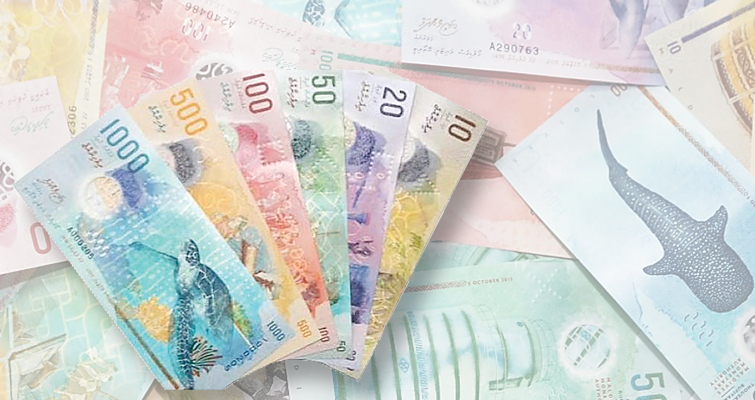

The Government of Maldives has opened subscriptions for a new issuance of treasury bills worth a total of MVR 1.128 billion, reinforcing the continued use of domestic market instruments to support short-term financing requirements and maintain effective cash flow management. Announced through an invitation issued by the Ministry of Finance and Planning, the offering reflects the government’s ongoing approach to mobilising local liquidity through structured borrowing across multiple maturities, while providing investors with a range of options suited to different investment horizons.
The latest issuance consists of four tranches of MVR-denominated treasury bills, covering short to medium-term periods of 28 days, 98 days, 182 days and 364 days. Of the total amount being raised, the largest share has been allocated to the 28-day treasury bill, valued at MVR 490 million and carrying an interest rate of 3.50 percent. This is followed by the 364-day treasury bill, which accounts for MVR 423.6 million and offers an interest rate of 4.60 percent, reflecting the higher yields typically associated with longer maturities. The 98-day tranche has been set at MVR 180.04 million with an interest rate of 3.87 percent, while the 182-day bill is valued at MVR 35 million and carries an interest rate of 4.23 percent.
The sale and settlement of all four treasury bill instruments are scheduled for 23 March. Under the terms set out in the government’s treasury bill prospectus, investors are required to submit their applications within the designated subscription window on the sale date, while full payment must be completed on the settlement date. The structured process is designed to ensure timely participation and efficient execution of the offering in accordance with established government securities procedures.
Treasury bills continue to serve as an important component of the government’s domestic financing strategy, particularly for managing short-term funding needs and smoothing public sector cash flow requirements. By issuing securities across varying maturities, the government is able to maintain flexibility in its financing operations while also responding to market conditions and investor demand. The different interest rates attached to each tranche also reflect the pricing dynamics of the market, where longer-dated instruments generally command higher returns due to their extended holding periods.
The latest issuance highlights the role of the domestic capital market in supporting public finance management in the Maldives. It also provides institutional and eligible market participants with an opportunity to invest in sovereign instruments that offer defined returns across a range of short and medium-term tenors. For the broader financial system, such issuances contribute to market activity, support liquidity circulation, and strengthen the framework through which the state manages its near-term fiscal obligations.
For global readers observing the Maldivian economy, the offering demonstrates the government’s continued use of established financial instruments to address immediate funding requirements in an orderly and transparent manner. The issuance also reflects the importance of a functioning domestic debt market in supporting fiscal operations, offering confidence in the country’s ability to utilise local financing channels as part of its wider public financial management strategy.
 advertisment




 advertisment