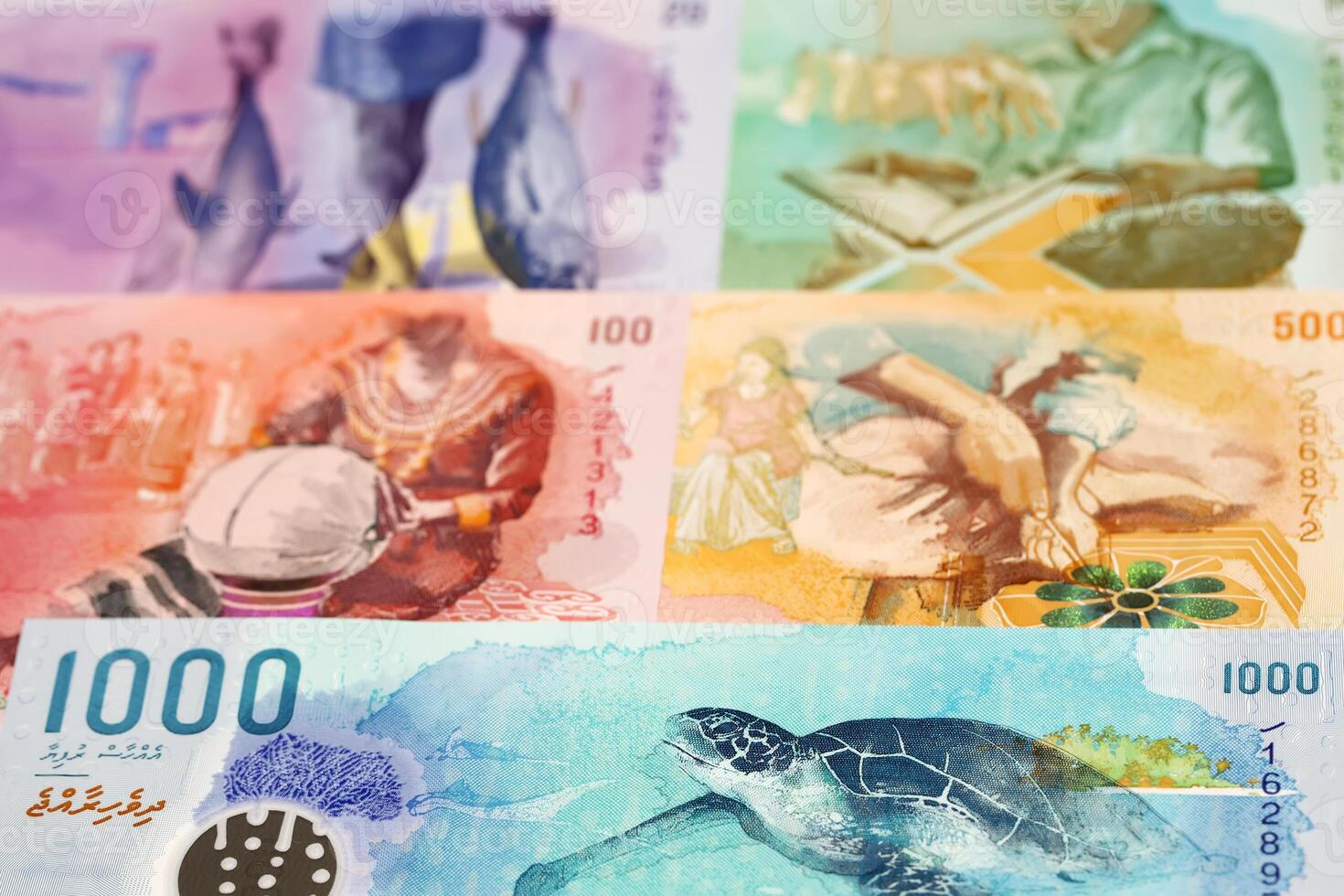

Tax revenue collected in the Maldives totalled MVR 2.80 billion in February 2026, according to the latest revenue collection data released by the Maldives Inland Revenue Authority (MIRA). The figure represents a slight decrease of 0.8 percent compared with February 2025 and fell 11.6 percent below the official projection for the month. Despite the shortfall against expectations, the overall revenue level remains broadly consistent with the government’s strong collection performance recorded in recent years.
According to MIRA, several factors contributed to the marginal decline compared with the same period last year. Lower collections were recorded from lease period extension fees, Airport Development Fees, and tourism land rent. Timing-related factors also influenced the February results. The initial payment deadlines for certain taxes coincided with a public holiday this year, resulting in some payments being deferred to March. In contrast, a larger number of taxpayers had made advance payments ahead of the deadline in 2025, which contributed to higher revenue recorded during that period.
The difference between projected and actual revenue collections was more pronounced during the month. MIRA indicated that lower-than-anticipated collections were observed from Goods and Services Tax (GST), airport taxes and fees, and Green Tax. These categories are closely linked to tourism activity, which remains the backbone of the Maldivian economy and one of the government’s most important revenue sources. Variations in tourism-related collections therefore continue to influence the overall fiscal performance during specific months of the year.
Out of the total amount collected in February, MVR 2.63 billion came from projected revenue codes, compared with an expected MVR 2.98 billion. This indicates that the government collected approximately 88 percent of the projected revenue for the month. The figures demonstrate that while overall collections remain robust, some of the anticipated revenue streams did not materialise at the level initially forecast.
Goods and Services Tax continued to represent the largest share of government revenue during the month. GST accounted for 52.3 percent of total revenue, generating approximately MVR 1.46 billion. Income tax was the second-largest contributor, accounting for 21.4 percent of collections, equivalent to around MVR 599 million. These two categories together formed the majority of tax income collected during February.
Additional contributions were recorded from several other important revenue streams. Green Tax accounted for 7.2 percent of total collections, while Departure Tax contributed 4.8 percent. The Airport Development Fee represented 4 percent of total revenue, and lease period extension fees accounted for 3.3 percent of the monthly collections.
A significant portion of government revenue was collected in foreign currency, reflecting the Maldives’ strong dependence on international tourism. MIRA reported USD 126.85 million in revenue collected in US dollars during the month. Tourism Goods and Services Tax accounted for the largest share of these foreign currency collections at 59.3 percent. Green Tax and income tax also contributed to USD-denominated revenue, highlighting the continued importance of tourism-related economic activity to the national fiscal framework.
The authority also highlighted the continued role of enforcement efforts in maintaining revenue flows. Enforced collections totalled MVR 666 million in February, demonstrating MIRA’s ongoing efforts to recover outstanding dues and ensure compliance. The largest share of these enforced collections came through dunning actions amounting to MVR 399 million. Additional recoveries included MVR 156 million collected through dues clearance initiatives. Further amounts were secured through instalment arrangements, reminder notices, and enforcement measures such as account freezing where necessary.
Historical data indicates that February revenue has generally increased over the past several years as the Maldivian economy expanded and tourism activity strengthened. Total revenue for February stood at MVR 1.74 billion in 2022, increasing to MVR 2.34 billion in 2023 and MVR 2.77 billion in 2024. Collections reached MVR 2.79 billion in February 2025, and the MVR 2.80 billion recorded in February 2026 places the latest figure broadly in line with this upward trend, despite the gap between projections and actual collections.
Tax revenue continued to account for the majority of government income during the month, amounting to approximately MVR 2.40 billion. Non-tax revenue contributed about MVR 395 million, reflecting additional sources of government funding that complement tax-based income.
Refunds and adjustments remained relatively modest compared with the overall revenue collected. MIRA reported cash refunds totalling around MVR 1.67 million during February, with the largest portion linked to income tax payments. Adjustments associated with offsets and advance payments were also recorded across several tax categories, particularly within the GST framework.
The latest revenue data presents a balanced outlook for the Maldives’ fiscal performance. Overall collections remain stable and consistent with the country’s recent revenue levels, supported by the continued strength of the tourism industry and improved tax administration. At the same time, the difference between projected and actual collections highlights the influence of payment timing and fluctuations in tourism-related economic activity.
As tourism-linked taxes continue to form the largest share of government revenue, visitor trends, seasonal travel patterns, and payment cycles are expected to remain key factors shaping fiscal outcomes in the months ahead. The Maldives’ internationally recognised tourism sector, supported by high-end resorts, marine biodiversity, and world-class hospitality infrastructure, continues to play a central role in sustaining economic growth and supporting public revenue generation for the country.
 advertisment




 advertisment