
Inflation in the Maldives accelerated during 2025, with the Consumer Price Index (CPI) for all groups rising by 4.04 percent compared to 1.40 percent recorded in 2024, according to the annual CPI statistics released by the Maldives Bureau of Statistics. The increase reflects the average change in the cost of a standard basket of goods and services purchased by households across the country over the year, highlighting evolving consumption patterns and economic adjustments influencing domestic prices.
The reported inflation rate represents an overall national average rather than uniform price increases across all goods and services. While several categories experienced notable price hikes, others recorded declines, contributing to a balanced overall outcome. The data indicates that inflation during the year was largely influenced by specific sectors rather than widespread price pressures across the economy, demonstrating a mixed economic environment shaped by both domestic policy measures and external market conditions.
The most pronounced upward pressure on inflation came from the tobacco and areca nut category, which registered a substantial increase of 80.63 percent compared with 2024. The Bureau of Statistics attributed this sharp rise primarily to higher import duties imposed on cigarettes, alongside shifting consumer demand following the nationwide ban on the use, sale, and advertisement of vaping devices introduced in December 2024. These regulatory changes significantly altered purchasing behaviour, contributing to strong price movements within the category.
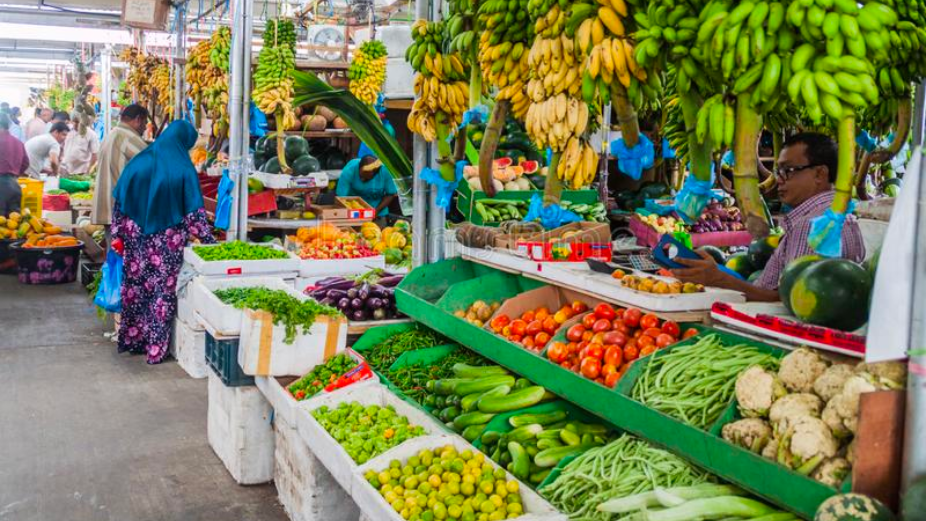
Food and non-alcoholic beverages also recorded noticeable growth, rising by 4.70 percent over the year. According to the Bureau, foreign currency constraints affecting importers and higher exchange rates in the parallel dollar market played an important role in driving costs upward. Seasonal demand during Ramadan further influenced market prices, particularly for essential household items. Price increases were observed across a range of staples and vegetables, although certain products, including onions, experienced price declines that helped offset broader increases within the category.
Fish prices, an important component of Maldivian consumption and economic activity, increased by 7.56 percent in 2025. Climate-related conditions affected catch volumes during parts of the year, contributing to supply fluctuations. Tuna-related products and processed fish items such as fish paste were among the key contributors to the increase, reflecting the sensitivity of the fisheries sector to environmental and seasonal factors.
Despite these upward pressures, several major categories helped moderate overall inflation. Housing, water, electricity, gas, and other fuels declined by 1.24 percent, influenced by consumption trends and electricity bill discounts that reduced household expenses. Information and communication costs fell by 4.57 percent, largely reflecting adjustments in internet pricing and changing usage patterns among consumers. Transport prices also edged down slightly by 0.66 percent, supported in part by lower petrol and diesel prices during the year.
Regional variations were evident across the country. Malé recorded an annual inflation rate of 3.49 percent, while the atolls experienced a higher rate of 4.89 percent. The difference was mainly driven by stronger price increases in tobacco and areca nut products outside the capital, highlighting how geographic factors and distribution dynamics continue to influence living costs across the archipelago.
Overall, the 2025 inflation figures indicate an economy experiencing targeted price adjustments rather than widespread inflationary pressure. While the national rate remains moderate by international standards, households are likely to experience the impact differently depending on spending patterns, particularly in categories where prices rose sharply. The data reflects ongoing economic adaptation as the Maldives balances regulatory changes, global market conditions, and domestic consumption trends while maintaining relative price stability.
 advertisment




 advertisment