
The Ministry of Tourism of the Republic of Maldives has opened bidding for the development of tourist resorts across 13 lagoon areas and three islands designated for halal tourism, reflecting the government’s continued efforts to expand the country’s resort pipeline and introduce diversified models of tourism development. The initiative signals sustained confidence in the Maldives’ global tourism brand while reinforcing the nation’s commitment to innovation, inclusivity, and long-term economic growth.
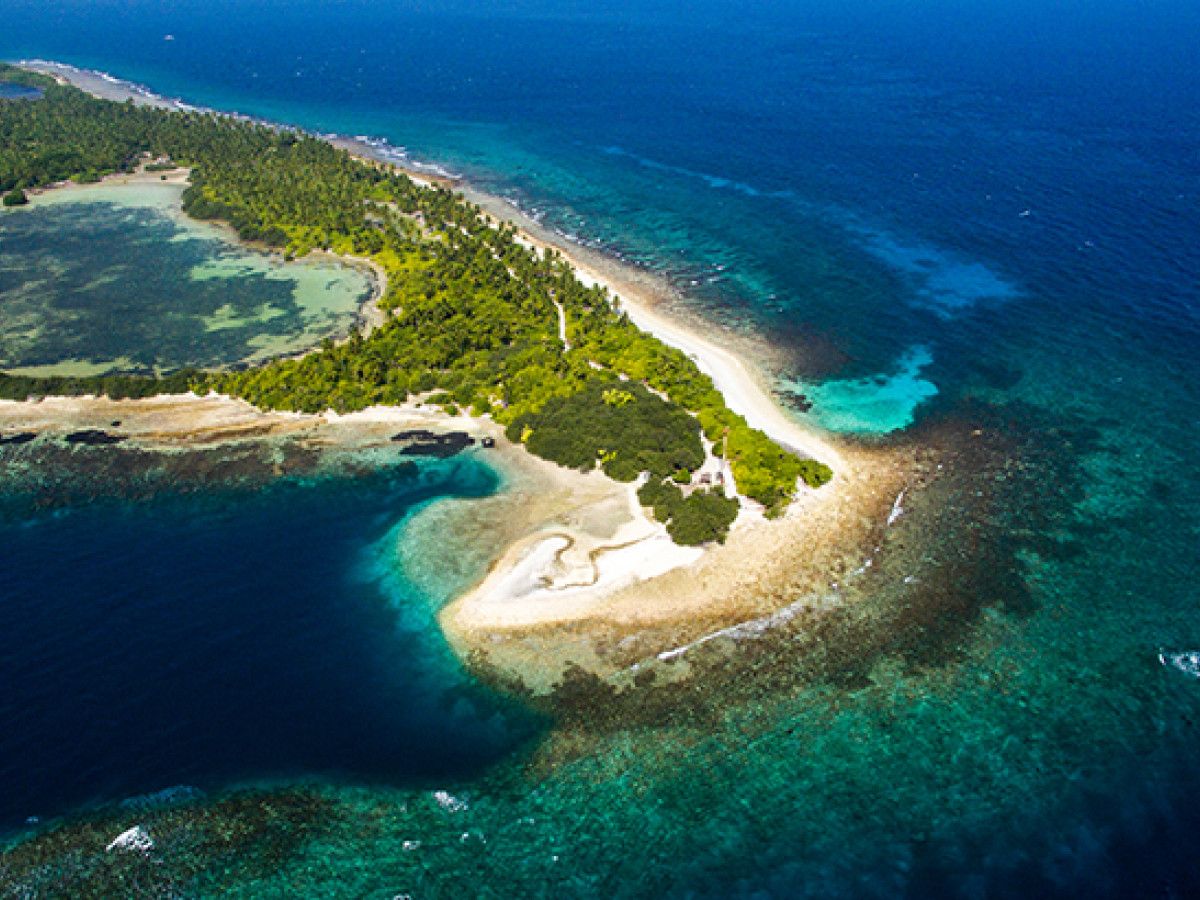
Under the new announcement, halal tourism will be permitted in the Makunudhoo lagoon area in Haa Dhaalu Atoll, Fonagaadhoo in Laamu Atoll, and Dhonhera in Addu City. These designated zones are structured to cater to Muslim travellers by offering halal-compliant operational standards, while remaining open and welcoming to all guests regardless of background. The concept is designed to integrate internationally recognised hospitality standards with services tailored to travellers seeking halal-certified food, prayer facilities, and family-oriented environments. By formalising halal tourism zones, the Maldives positions itself to tap into the expanding global Muslim travel market, which continues to show strong growth in outbound travel and premium resort demand.
Dhonhera in Addu City has already been opened for bidding. The selection of Dhonhera follows a policy adjustment made last year after President Mohamed Muizzu announced plans in June to develop halal tourism in Hankede, Addu. Following public feedback and discussion, the Ministry of Tourism confirmed in October that the project would be relocated to Dhonhera instead. The revised site selection reflects the government’s responsiveness to stakeholder input while maintaining its broader strategic vision for tourism development in the southernmost atoll.
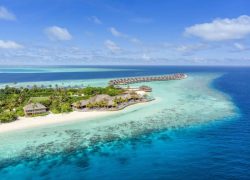
Beyond the halal-designated projects, the Ministry has also invited bids for resort development in 13 lagoon areas across the northern atolls. The proposed developments include three lagoons in Haa Alif Maadhuni, two in Kelaa, two in Makunudhoo, three in Maafaru, and three in Gonaa. These locations represent emerging frontiers within the Maldivian tourism landscape, offering investors the opportunity to create world-class resort experiences in pristine lagoon environments. By expanding development into northern atolls, the government aims to distribute tourism benefits more evenly across the archipelago, stimulate regional economic activity, and generate new employment opportunities in areas that have traditionally seen lower levels of resort concentration.
The deadline for submitting bids for the halal tourism islands is 09:00 on April 6, while bids for the lagoon resort developments will be accepted until 11:00 on the same day. Interested parties may obtain bidding documents from the Ministry of Tourism reception during official working hours until April 5, or request the documents via email. The structured bidding process underscores the government’s emphasis on transparency and competitive participation in the allocation of tourism assets.
In his recent presidential address, President Mohamed Muizzu stated that the government is targeting the development of at least 10 new resorts over the next three years. He outlined an economic participation model under which every Maldivian citizen would become a shareholder in selected resort projects, with foreign currency earnings from these developments deposited directly into the accounts of Maldivians. According to the President’s estimate, this mechanism could generate an annual payout of approximately USD 400 per citizen, linking national tourism performance directly to household-level economic benefits.
The latest bidding announcement comes at a time when the Maldives continues to strengthen its position as a premier global destination known for luxury hospitality, marine biodiversity, and sustainable island development. By incorporating halal-designated zones alongside conventional resort projects, the government seeks to broaden market appeal while preserving the country’s established reputation for excellence. For global investors and travellers alike, the expansion of resort opportunities across diverse atolls signals a dynamic phase in the evolution of Maldivian tourism one that balances tradition and innovation while creating pathways for inclusive economic growth.
 advertisment



 advertisment