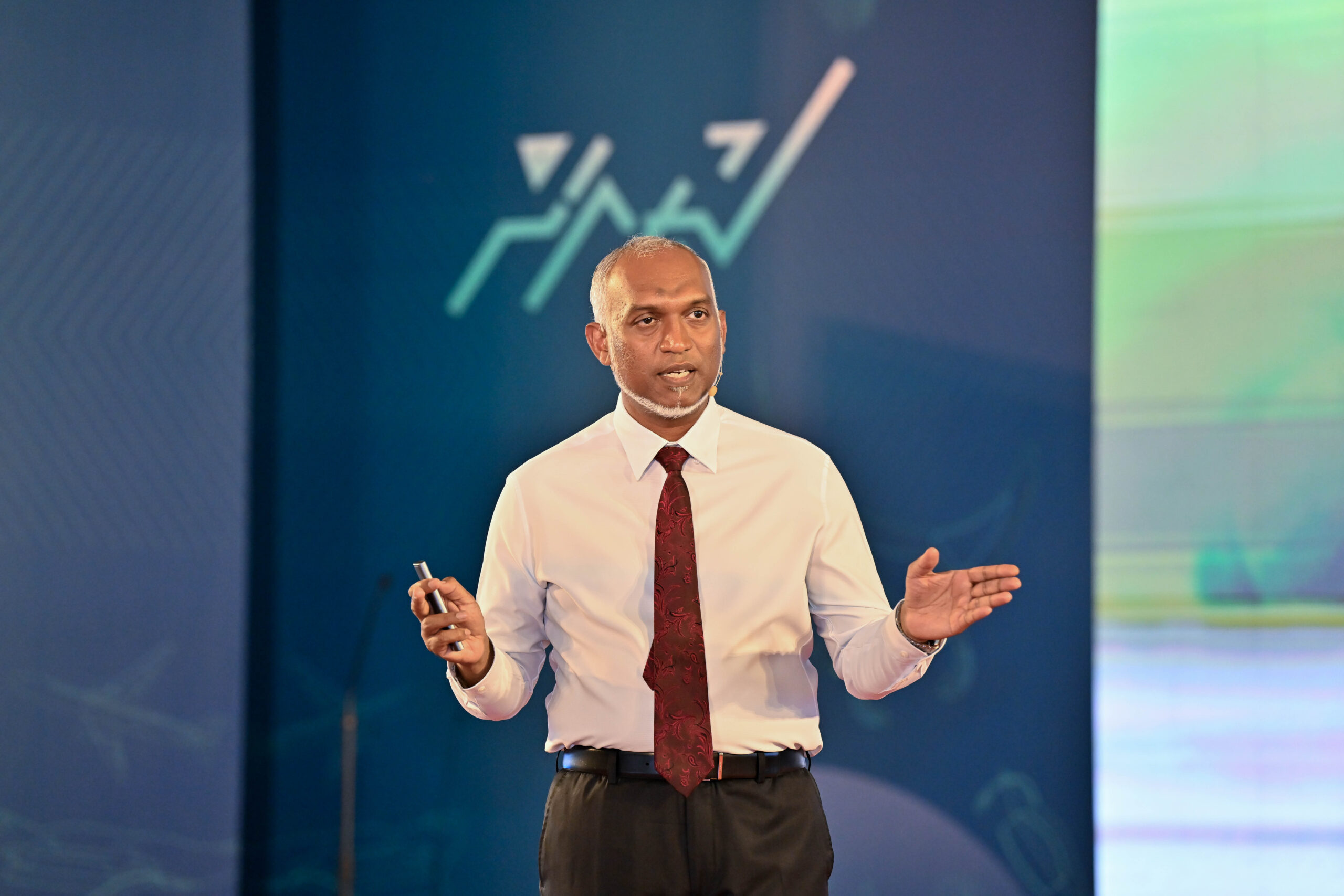

A powerful vote of confidence in the country’s economic direction has arrived, as President Dr Mohamed Muizzu welcomes Google’s decision to invest in an international submarine cable landing station and network facility in Hithadhoo, Addu City. Valued at tens of millions of dollars, the project strengthens the nation’s position in the global digital economy and adds a new layer of appeal for international travellers who increasingly expect world-class connectivity alongside pristine beaches.
The investment follows high-level discussions held in New York in September 2024 between President Dr Mohamed Muizzu and senior Google executives. It is being presented by the administration as a clear endorsement of a stable, transparent and open investment environment, and as a direct contribution to the President’s vision of a diversified, inclusive and digitised national economy. In his public remarks, President Muizzu highlighted that Google’s commitment aligns with his economic agenda to build a modern, technology-driven Maldives that can compete confidently in global markets.
At the heart of the project is a new facility in Addu that will support the landing of multiple international submarine cable systems. Combined with associated hosting and network infrastructure, the landing station is designed to function as a secure digital gateway connecting Asia, Oceania, Africa, the Middle East and Europe across the Indian Ocean. This enhanced connectivity will reduce latency, improve redundancy and offer more reliable high-capacity links that benefit both businesses and visitors who rely on fast, uninterrupted internet services during their stay.
National connectivity is also being reshaped through a geographically distributed network of international access points. With northern links at Kulhudhuffushi, central infrastructure in the Greater Malé area, and the new southern hub in Hithadhoo, the Maldives is building a three-point arc of connectivity across the archipelago. This distribution strengthens resilience in the event of network disruptions while raising the country’s profile as a strategic node in regional and intercontinental data routes. For travellers, this translates into more stable connections for remote work, seamless video calls with family and colleagues, and smoother access to cloud-based travel services.
The Ministry of Economic Development and Trade has underscored that the project will expand the country’s digital capabilities and stimulate broader economic growth. Authorities expect the cable landing station and its supporting infrastructure to encourage the development of new sectors such as cloud services, fintech, digital content production and technology start-ups. These industries complement tourism by supporting online booking platforms, digital payment systems, content studios, and innovative travel-tech solutions that enrich the visitor experience.
Beyond sectoral diversification, the investment is expected to support the creation of high-skilled, future-ready employment opportunities for Maldivians. Roles in network engineering, cybersecurity, data centre operations, software development and digital services will help build a stronger local talent base. This shift supports the government’s long-term strategy of reducing overreliance on a single sector while using tourism, technology and services to reinforce each other.
The project also highlights the importance of partnership with domestic industry. The government has welcomed Google’s decision to work with the country’s leading telecommunications providers, Dhiraagu and Ooredoo Maldives, as local experts in the development of the new facility. Their involvement ensures that local technical knowledge, operational experience and on-the-ground capacity building are woven into project implementation. This approach is expected to facilitate meaningful knowledge transfer, foster innovation within the local telecom ecosystem and enhance the reliability of services ultimately delivered to residents and guests.
Digital infrastructure is a central pillar of President Muizzu’s broader national development agenda, which prioritises both connectivity and physical infrastructure as engines of growth and diversification. In an era defined by digital transformation and artificial intelligence, the President has positioned the Maldives at the crossroads of global connectivity, using its strategic geography to open new economic opportunities and participate more fully in the evolving global digital economy. The new cable landing station reinforces the country’s role as a trusted partner for secure and resilient connectivity across the Indian Ocean region.
For international travellers, these developments send a clear message: the Maldives is not only a world-renowned destination for luxury resorts, diving and relaxation, but also a modern, digitally connected nation. Enhanced undersea cables and hosting facilities will support everything from high-quality resort Wi-Fi and real-time travel assistance to immersive digital content and remote working possibilities. Whether visitors are streaming entertainment in their overwater villa, joining an important online meeting, or sharing their experiences in real time with friends around the world, the underlying infrastructure will increasingly match the premium nature of the destination itself.
The government has expressed its deep appreciation to Google for placing its confidence in the country and has reaffirmed its commitment to facilitating the successful delivery of the project in Addu City. As construction and implementation move forward, this investment is set to become a cornerstone of the Maldives’ digital future, strengthening the economy, supporting innovation, and elevating the visitor experience in one of the world’s most sought-after island destinations.
 advertisment



 advertisment